ETIAS for US Citizens Traveling to Malta: Your Complete Guide
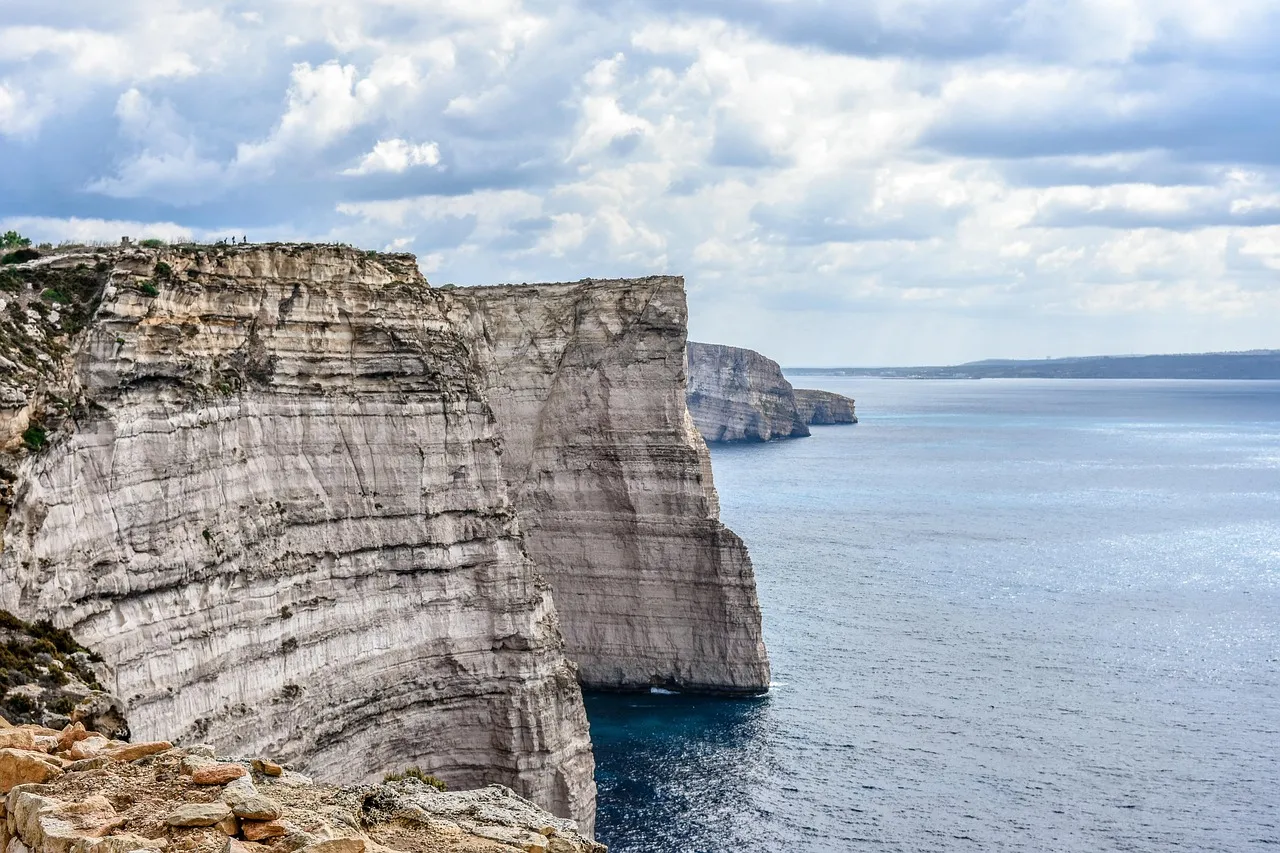
Malta, with its ancient history, stunning coastlines, and vibrant culture, is a dream destination for many American travelers. However, before you can explore the megalithic temples or dive into the Blue Lagoon, there’s an important travel authorization you’ll need to secure: ETIAS.
This guide will walk US citizens through everything they need to know about ETIAS for their Maltese adventure, from understanding its purpose to navigating the application process.
What is ETIAS and Why Do US Citizens Need It for Malta?
Understanding the European Travel Information and Authorization System (ETIAS)
ETIAS, or the European Travel Information and Authorization System, is an upcoming electronic travel authorization program designed to enhance security within the Schengen Area. It’s not a visa, but rather a pre-travel screening system for visa-exempt visitors, including US citizens. Its primary goal is to identify potential security or irregular migration risks before travelers even depart for Europe.
Malta’s Inclusion in the Schengen Area and ETIAS Requirements
Malta is a full member of the Schengen Area, a group of 27 European countries that have abolished passport and all other types of border control at their mutual borders. Because Malta is part of this zone, US citizens traveling to Malta will be subject to ETIAS requirements once the system is fully implemented. This means that even for short tourist or business stays, an approved ETIAS authorization will be mandatory for entry.
When ETIAS Becomes Mandatory for US Travelers
While the exact launch date has seen some adjustments, ETIAS is expected to become mandatory for US citizens and other visa-exempt nationalities in mid-2025. It’s crucial for travelers to stay updated on the official implementation timeline as their travel dates approach. Once active, you won’t be able to enter Malta or any other Schengen country without a valid ETIAS authorization.
Eligibility and Requirements for US Citizens Applying for ETIAS
Who Needs ETIAS: Short-Stay Visits Explained
US citizens planning short-term stays in Malta or any other Schengen country will need an ETIAS. A short-term stay is generally defined as up to 90 days within any 180-day period. This covers tourism, business trips, transit, and short study programs. If your visit exceeds 90 days or is for purposes like long-term work or residency, you would typically need a traditional visa, not ETIAS.
Essential Documents for Your ETIAS Application
The ETIAS application process is designed to be straightforward and primarily online. For US citizens, the main document required is a valid passport. Ensure your passport meets the validity requirements outlined below.
Passport Validity Rules for ETIAS and Malta Travel
Your US passport must be valid for at least three months beyond your intended departure date from the Schengen Area. It should also have been issued within the last 10 years. If your passport is nearing expiration, it’s advisable to renew it before applying for ETIAS to avoid any issues during your trip.
The ETIAS Application Process: A Step-by-Step Guide
Accessing the Official ETIAS Application Portal
The ETIAS application will be submitted entirely online through the official ETIAS website or mobile app. Be wary of unofficial third-party sites that may charge excessive fees or provide incorrect information. Always use the official channels when they become available.
Filling Out the Application Form: Key Sections and Information Needed
The application form will ask for personal details, passport information, and some background questions related to security and health. You’ll need to provide:
- Full name, date of birth, place of birth, gender.
- Current address and contact information.
- Passport number, issue date, and expiry date.
- The first Schengen country you intend to enter (e.g., Malta).
- Information regarding any criminal convictions, past travel to conflict zones, or previous deportations from EU countries.
Answer all questions truthfully and accurately to avoid delays or rejection.
Understanding the ETIAS Fee and Payment Methods
There will be a small application fee for ETIAS, expected to be around €7. This fee will be payable online using a debit or credit card. Some applicants, such as those under 18 or over 70, may be exempt from this fee. Always confirm the current fee on the official ETIAS portal.
What Happens After You Submit Your Application?
Once you submit your application and pay the fee, the system will automatically process your information. Most applications are expected to be approved within minutes. However, in some cases, it might take longer if manual processing is required. You will receive an email notification regarding the status of your application.
ETIAS Approval, Validity, and What to Expect
Receiving Your ETIAS Authorization: Email Confirmation
Upon approval, you will receive your ETIAS authorization via email. This email will contain your ETIAS number, the validity period, and other important details. It’s advisable to print a copy or keep a digital version accessible on your phone, although your ETIAS is electronically linked to your passport.
How Long is ETIAS Valid For? (Duration and Multiple Entries)
An approved ETIAS authorization is valid for three years or until your passport expires, whichever comes first. During its validity period, you can make multiple short-term entries into the Schengen Area, provided each stay does not exceed 90 days within any 180-day period.
What to Do if Your ETIAS Application is Denied
If your ETIAS application is denied, the email notification will provide the reason for the refusal. You will have the right to appeal the decision. The appeal process will be outlined in the refusal notification. In some cases, you might be advised to apply for a traditional Schengen visa instead, depending on the reason for denial.
Traveling with ETIAS: What to Present at Border Control
When you arrive at a Schengen border (e.g., Malta International Airport), your ETIAS authorization is electronically linked to your passport. Border officials will scan your passport, and the system will automatically verify your ETIAS status. While you don’t typically need to present a physical document, having a copy of your approval email can be helpful in case of any technical issues.
Planning Your Trip to Malta with PlanToTrip
Navigating travel requirements like ETIAS is just one part of planning an unforgettable trip to Malta. PlanToTrip can streamline your entire journey, from itinerary creation to document management.
Streamline Your Malta Itinerary with AI
With PlanToTrip, you can effortlessly create a detailed, day-by-day itinerary for your Malta adventure. Simply describe your ideal trip in a single sentence, and our AI will generate a personalized plan. You can then easily edit, reorder, and add tasks to each stage. Our AI chat feature is also available per-trip to help with specific tasks, like finding the best restaurants in Valletta or planning a half-day excursion to Gozo.
Organize All Your Travel Documents in One Place
Forget scrambling for printouts! PlanToTrip allows you to scan important documents like hotel vouchers, flight tickets, and even passport pages. Our AI extracts key details and integrates them directly into your trip plan. This includes citizenship-aware planning, helping you keep track of visa rows and per-person passport details, ensuring you’re always prepared for requirements like ETIAS.
Collaborate on Your Malta Adventure with Fellow Travelers
Planning a group trip to Malta? PlanToTrip makes collaboration a breeze. Share your trip with friends or family for collaborative editing within the app, with changes syncing instantly. Alternatively, create a read-only web page of your itinerary to share with others, keeping sensitive details like booking references and scanned documents private on your device.
Important Considerations for US Citizens Traveling to Malta
Beyond ETIAS: Other Malta Entry Requirements (e.g., customs)
While ETIAS covers your pre-travel authorization, remember to be aware of other entry requirements. This includes standard customs regulations regarding what you can bring into Malta. Always declare any restricted or dutiable items. For the latest information, consult the official website of the Maltese customs authority.
Health and Safety Tips for Your Trip
Malta is generally a safe destination. However, it’s always wise to take standard precautions: safeguard your belongings, be aware of your surroundings, and use reputable transportation. Consider travel insurance that covers medical emergencies and trip cancellations. Stay hydrated, especially during the hot summer months, and use sun protection.
Local Laws and Customs in Malta
Respect local laws and customs. Dress modestly when visiting religious sites. Tipping is customary but not obligatory. English is an official language alongside Maltese, so communication is generally easy. Familiarize yourself with basic Maltese phrases as a sign of respect. Enjoy the warm hospitality and rich culture of this beautiful Mediterranean island!